
Body Contouring Guide: Liposuction, Tummy Tuck or Nonsurgical?
Compare liposuction, tummy tuck and nonsurgical body contouring by tissue target, recovery clock, limitations, risks and global safety checks.
Body contouring is not one procedure—and it is not weight loss
Liposuction removes selected fat through small incisions; a tummy tuck can remove excess abdominal skin and may address separated muscles; non-invasive devices act from the skin surface and do not remove tissue. None of these descriptions establishes that a procedure is suitable, and non-invasive body contouring does not treat obesity or provide the health benefits of weight loss.
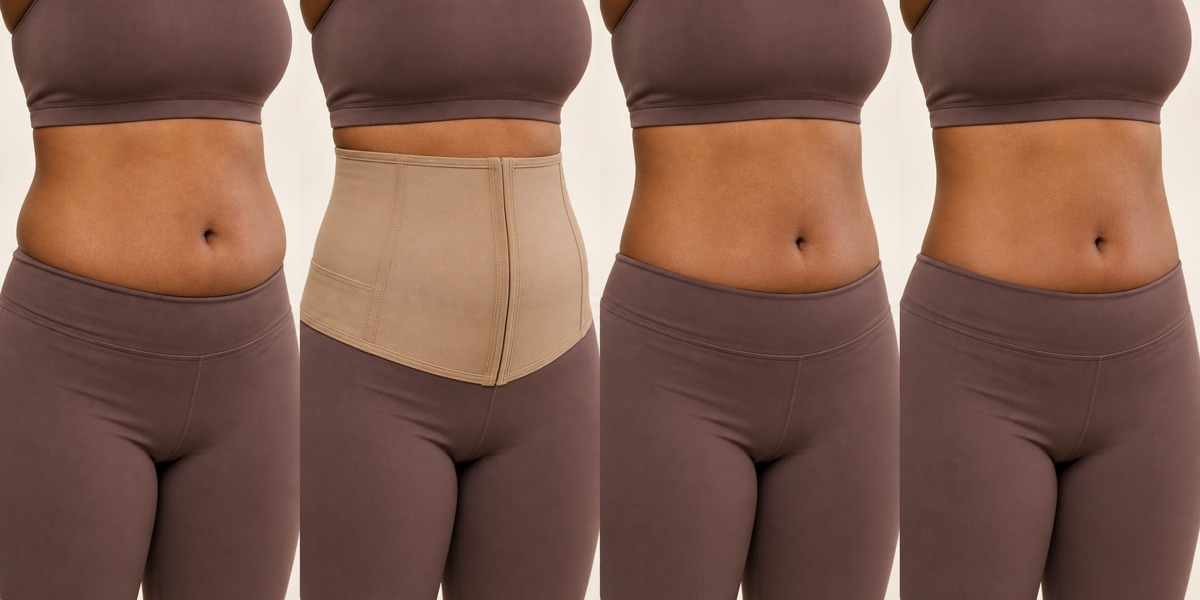
Use four decision clocks instead of one before-and-after promise
The useful sequence begins before choosing a treatment name. Separate the concern, tissue target, intervention and recovery or reassessment horizon.
Weight, localized contour or loose skin?
A change on the scale, a localized fat bulge, lax skin, abdominal-wall separation and cellulite are different questions. A photo or pinch test on a website cannot diagnose the tissue involved.
Fat, skin, muscle or surface appearance
Ask what the proposed intervention physically targets and what it cannot change. Marketing terms such as sculpting, tightening and toning may refer to very different mechanisms.
Surgery, device or weight-management care
Record the exact operation or device, intended body site, professional, facility and whether tissue is removed. Do not treat a branded package as a diagnosis.
Surface recovery, routine return and later contour
Pain or redness settling, returning to work, resuming exercise and judging contour are separate milestones. Results may be subtle, delayed, temporary, uneven or absent.
The bars are a visual comparison within this guide; they are not percentages or personal forecasts.
What each body-contouring category does—and does not establish
This comparison organizes questions for a consultation. It is not a treatment selector or candidacy score.
| Category | Physical action | Does not establish | Planning clock |
|---|---|---|---|
| Weight-management care | Targets body weight or metabolic health through individualized care | That a cosmetic contouring procedure is needed | Ongoing health plan |
| Non-invasive contouring | Applies cold, heat, ultrasound, light or other energy at the skin surface depending on the exact device | Weight loss, tissue removal or a guaranteed visible change | Short surface response, possible series, later reassessment |
| Liposuction | Removes selected subcutaneous fat through incisions and suction | Loose-skin removal, cellulite treatment, stable weight or a smooth final contour | Surgical recovery plus swelling that can take months to settle |
| Tummy tuck | Removes selected abdominal skin and fat and may repair separated muscles | Weight-loss treatment or one universal scar and recovery plan | Major-surgery recovery, scar care and longer settling |
| Post-weight-loss skin surgery | May remove excess skin from one or more body regions in staged operations | That one operation covers every area or risk | Procedure-specific recovery and possibly multiple stages |
Choose the guide that matches the actual intervention
Loose Skin After Weight Loss
Distinguish skin, remaining fat, muscle or fascia and functional fold symptoms before comparing a device or excisional operation.
Open the loose-skin guide SURGERY · WEEK 1 TO MONTH 6Liposuction Recovery Timeline
Track bruising, compression, work, exercise and contour settling without presenting liposuction as weight loss.
Open liposuction recovery MAJOR SURGERY · WEEK 1 TO MONTH 3Tummy Tuck Recovery Timeline
Separate posture, drains, mobility, work return, swelling and scar change across different abdominoplasty plans.
Open tummy tuck recovery DEVICES · SESSIONS · MONTH 3–6Nonsurgical Body Contouring Results
Compare fat freezing, heat, ultrasound and magnetic technologies by exact device, response and reassessment horizon.
Compare nonsurgical technologies COST · 12 CURRENCIES · BROWSER-LOCALComplete Procedure Cost Calculator
Add actual clinical, recovery, travel, support and time-away figures without receiving an estimated treatment price.
Build a complete budgetBefore booking: turn the marketing name into verifiable facts
- Write down the exact procedure or device, manufacturer and model, intended body site, operator and facility; ‘body sculpting’ alone is not specific enough.
- Ask which tissue is expected to change, which tissue will not change and what objective method will be used to compare the same area later.
- Discuss medication, medical devices or metal, scars, tattoos, prior surgery, pregnancy plans, circulation, sensation and other relevant history with the treating professional.
- For surgery, confirm anesthesia, blood-clot prevention, compression or drains, lifting limits, emergency contact, revision terms and follow-up after travel.
- For a device package, confirm number and spacing of sessions, disposables, cleaning, patch or test policy, package expiry, refund terms and management of burns, pain or contour change.
Device authorization, surgical titles, facility rules, advertising claims and post-treatment care differ by country. Verify the professional, facility and exact device in the treatment market before comparing price or travel packages.
Check official sources for 12 marketsAfter surgery, seek urgent medical care for breathing difficulty, chest pain, fainting, heavy bleeding or other severe symptoms, and contact the surgical team for rapidly increasing one-sided swelling, fever, spreading redness, drainage, wound change or escalating pain. After device treatment, report blistering, burns, persistent severe pain, unusual firmness, numbness or an enlarging treated area promptly. Follow the written emergency pathway for the exact treatment.
How this guide was made
5 named sources support the main claims. Each link explains how it was used, with public agencies, professional bodies or primary research preferred.
AI may assist with research organization, drafting and translation, but it is not treated as a source or credential. Read the editorial standards.
The hub connects focused guides and organizes decision points. Its stage bars are navigation aids—not clinical scores, measured outcomes or treatment rankings.
This version has editorial evidence review, not medical review attributed to a named clinician. It does not replace an individual assessment. Editorial accountability.
Sources and scope
Definitions and recovery ranges vary because body contouring covers unrelated technologies and operations. BeautiNext keeps each source attached to the category it describes instead of merging them into one promise.
- FDA: Non-Invasive Body Contouring Technologies
Technology definitions, intended cosmetic effects, limitations, device-specific cautions, complications and U.S. authorization databases.
- Cleveland Clinic: Body Contouring
Broad distinction between surgical excision, liposuction and nonsurgical lipolysis, with preparation and recovery context.
- American Society of Plastic Surgeons: Body Contouring
Surgical body contouring after major weight loss, including excess skin and staged body areas.
- NHS: Liposuction
Liposuction purpose, limits, professional checks, surgical process, recovery, risks and warning that it is not obesity treatment.
- NHS: Tummy Tuck (Abdominoplasty)
Abdominoplasty purpose, partial and full operations, recovery, risks and warning that it is not a quick weight-loss fix.
Body contouring questions
Is body contouring the same as weight loss?
No. Body contouring describes attempts to change the shape or surface appearance of a selected area. Weight-management care addresses a different health question. Non-invasive contouring does not cause weight loss or its health benefits.
What is the difference between liposuction and a tummy tuck?
Liposuction removes selected subcutaneous fat through suction. A tummy tuck removes selected abdominal skin and fat and may repair separated muscles. Only an individualized surgical assessment can identify an appropriate plan.
Does nonsurgical body contouring have no downtime or risk?
No. It avoids surgical incisions but can still cause short-term reactions and device-specific complications, and results may be subtle, temporary or absent. Ask about the exact authorized device and body site.
When can I judge a result?
That depends on the exact intervention. Surface reaction, return to routine and later contour are different clocks. Standardized photographs and the treating professional’s review are more useful than an early mirror or social-media comparison.
This hub provides general education, not medical advice, diagnosis, weight-management care, a treatment recommendation, candidacy assessment, device-setting guidance or result forecast. BeautiNext is not a clinic.